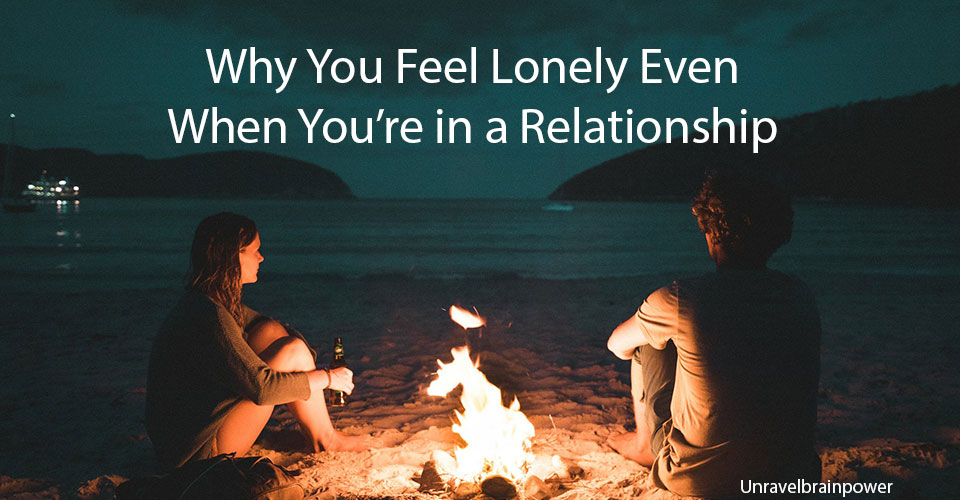
There’s a kind of loneliness that feels confusing because, technically, you’re not alone.
You talk. You spend time together. You might even laugh. Yet, at the end of the day, there’s a quiet emptiness that doesn’t go away.
If you’ve ever thought, “Why do I feel so alone even though I’m in a relationship?” — you’re not strange, ungrateful, or broken. This feeling is far more common than people admit, and it usually has nothing to do with love disappearing overnight.
Loneliness in a relationship doesn’t look how people expect
Most people imagine loneliness as something you feel only when you’re single. But relationship loneliness is different.
It shows up as:
- Feeling unheard, even when conversations happen
- Sharing daily updates but not deeper thoughts
- Sitting next to someone while feeling emotionally distant
- Holding back feelings because it feels pointless to explain
Outwardly, the relationship looks fine. Internally, you feel unseen.
That gap between presence and connection is where loneliness grows.
Emotional closeness matters more than physical presence
Being in a relationship doesn’t automatically mean feeling emotionally connected.
Emotional closeness comes from:
- Feeling understood without overexplaining
- Knowing your feelings matter
- Feeling safe enough to be honest without fear of dismissal
When those things slowly disappear, the relationship can continue on the surface while something essential is missing underneath.
You might still say “good morning” and “good night,” but the deeper bond — the feeling of being known — starts to weaken.
Common reasons you feel lonely in a relationship
1. Conversations stay on the surface
Talking about routines, plans, or logistics keeps life moving, but it doesn’t nourish emotional connection.
If deeper conversations slowly stop — about fears, hopes, or feelings — loneliness can settle in quietly.
2. You don’t feel emotionally understood
You might express how you feel, but if your emotions are brushed aside, minimized, or misunderstood, you learn to hold back.
Over time, that creates distance — not because you don’t want closeness, but because it feels unsafe to be fully open.
3. You’re always the one adjusting
When one person consistently compromises, explains, waits, or stays patient, exhaustion builds.
Loneliness often grows when effort feels one-sided. Not because you expect perfection — but because you want mutual care.
4. You stopped sharing to avoid conflict
Sometimes silence feels easier than disagreement.
But avoiding conflict by avoiding honesty slowly replaces closeness with emotional distance. You may stay together, but parts of you remain unseen.
5. The relationship changed, but no one talked about it
Relationships naturally evolve. Needs change. Priorities shift.
When those changes aren’t acknowledged or discussed, people can start feeling alone inside the relationship — unsure of where they stand.
Why this loneliness hurts so deeply
Loneliness inside a relationship hurts more than being alone because it creates confusion.
You might think:
- “Why do I feel this way when I shouldn’t?”
- “Am I asking for too much?”
- “Is something wrong with me?”
The pain isn’t just about missing connection — it’s about questioning your own needs.
But wanting emotional closeness isn’t a flaw. It’s a basic human need.
What this feeling is not
It’s important to say this clearly:
- Feeling lonely doesn’t mean you don’t love your partner
- It doesn’t automatically mean the relationship is failing
- It doesn’t mean you’re dramatic or needy
Often, it means something important isn’t being expressed, acknowledged, or nurtured.
What actually helps (without blaming anyone)
1. Name the feeling honestly (even to yourself)
Before trying to fix anything, allow yourself to admit:
“I feel lonely in this relationship.”
Not with guilt. Not with self-judgment. Just honesty.
Ignoring the feeling only makes it louder over time.
2. Pay attention to what you’re missing
Instead of focusing on what’s “wrong,” ask:
- Do I miss feeling understood?
- Do I miss emotional closeness?
- Do I miss feeling prioritized?
Clarity helps you communicate more gently and clearly.
3. Share feelings without accusation
If you choose to talk about it, focus on your experience — not blame.
For example:
- “I’ve been feeling emotionally distant lately.”
- “I miss feeling close to you.”
- “I feel lonely even though we’re together, and I want to understand why.”
This opens space for connection instead of defensiveness.
4. Notice how your feelings are received
You don’t need immediate solutions. But feeling heard matters.
Pay attention to whether:
- Your feelings are acknowledged
- There’s curiosity or dismissal
- Effort follows words
This tells you a lot about emotional safety in the relationship.
5. Don’t silence yourself to keep peace
Long-term loneliness often grows when you repeatedly choose silence over honesty.
Peace that costs your emotional well-being isn’t real peace. You deserve connection, not just calm.
When loneliness becomes a signal, not a weakness
Feeling lonely in a relationship is not a personal failure. It’s a signal — that something meaningful needs attention.
Sometimes the signal leads to deeper conversations and renewed closeness. Sometimes it reveals emotional gaps that need honest reflection.
Either way, listening to that feeling is an act of self-respect.
A gentle reminder before you blame yourself
You are not asking for too much by wanting emotional presence, understanding, and connection.
You are asking for what makes relationships feel alive instead of empty.
Loneliness doesn’t mean you’re ungrateful. It means you’re human.
And paying attention to it is the first step toward clarity — whether that clarity strengthens the relationship or helps you understand yourself better.